


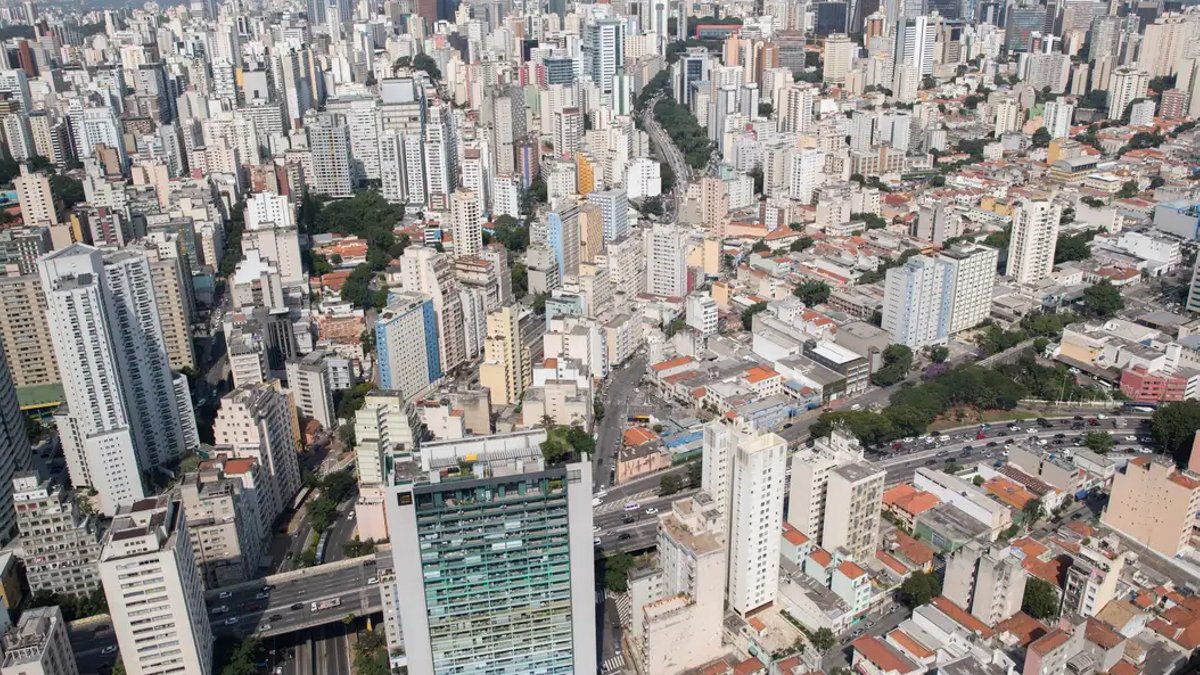
São Paulo, a city that never stops, is increasingly defined by its market size and economic diversity. The metropolis relies on attracting capital and concentrating talent to remain competitive, yet these factors alone do not explain its position as a leading economic hub. The document notes that a city’s vitality depends on the conditions it offers for companies to remain, grow, and connect to urban life.
Connecting public and private sectors
Transforming investments into development requires continuity, coordination, and a long-term vision. Infrastructure, mobility, services, sustainability, security, technology, and planning all integrate the environment where business decisions are made. During debates at São Paulo Beyond Business (SP2B), a conviction emerged across distinct topics: a city that is good for investment must also function for those who live, work, and do business within it.
Related: STJ Rules Booking Not Liable for Fire Damages
Economic growth and urban quality advance together. The connection between the public sector, private initiative, academia, and civil society helps reduce barriers and turn potential into concrete projects. Officials said that this approach is essential for modern cities.
The role of innovation and diversity
Tech, data, and artificial intelligence expand planning capabilities and improve services when they solve real problems. These tools reduce time lost in commutes, simplify the relationship between citizens and government, and widen access to opportunities. The center of the city summarizes these challenges. Its renovation depends on housing, security, heritage recovery, economic activity, and coexistence. It is necessary to attract residents, companies, and investments while preserving diversity.
A living center brings different uses together and stays active throughout the day, often until night. This dynamic applies to entrepreneurship as well. Opening a business is only the beginning. The quality of the environment for creating new businesses is revealed in the conditions offered for them to survive, gain productivity, and reach new markets. This requires knowledge, technology, credit, connections, commercial opportunities, and fewer barriers.
Related: Ten Years On Dilma Impeachment Still Unresolved
The diversity of the city is a difficult advantage to replicate. It functions as a living laboratory of habits, demands, and business models. Companies can identify trends, test solutions, and learn from different audiences. This power realizes when diversity is recognized as a source of knowledge, innovation, and economic inclusion. The document suggests that thinking of São Paulo far beyond business means recognizing everything that allows them to prosper.
When a city integrates development, urban quality, and opportunities, its competitiveness strengthens. This combination reinforces São Paulo as a gateway, the entry point for Brazil into the world, connecting companies, talent, investments, and innovation to markets. The relationship between businesses and their audiences is also changing. The boundaries between B2B and B2C are less rigid because every economic relationship involves people making decisions, some of them flexible. Product, price, and channel remain important, but understanding human behaviors, cultures, and needs has become a significant competitive differentiator.


