


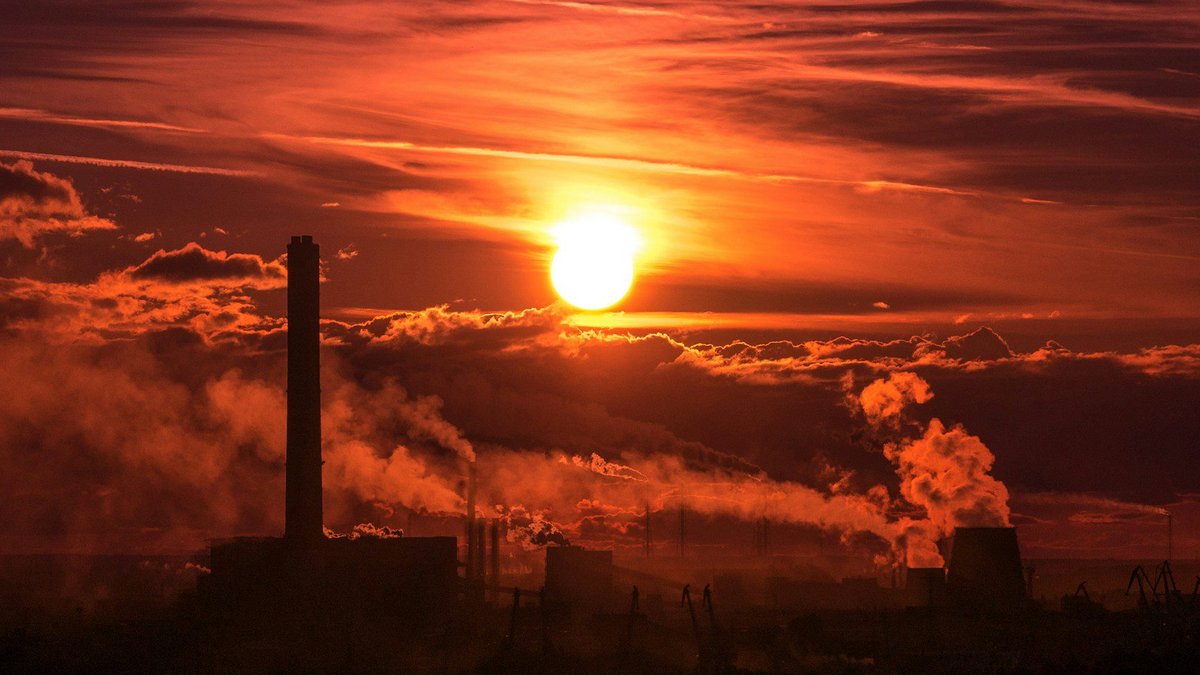
The global temperature is set to cross the feared 1.5°C threshold above pre-industrial levels within the coming years. The focus now shifts to ensuring a “overshoot, peak, and decline” trajectory. This approach aims to minimize the magnitude and duration of that overshoot period. Doing so is critical for limiting the costs of adaptation to inevitable impacts. This path is the best option identified by experts in a new report by the United Nations Environment Programme (UNEP).
Limiting the duration of warming
The UNEP report, titled “Limiting the Overshoot,” emphasizes that while the temperature rise is now inevitable, bringing global temperatures back below 1.5°C is still a goal. The document predicts a peak temperature increase of 1.8°C under the best-case scenario. However, indicators suggest the actual increase could exceed 2°C. The core strategy involves planning adaptation now rather than waiting for emergencies. Reactive spending drains scarce resources. That money is already a target of dispute in polarized climate debates.
Shobha Maharaj, a professor at the University of Fiji and an author of the report, notes that the danger isn’t the overshoot itself. The real threat is the trap of reacting to it. Extreme weather events, like record-breaking heatwaves and massive floods, are occurring with increasing frequency. A reactive approach to these events is often too late. Adaptation takes decades to plan and build. Without calibrated plans implemented now, reactive spending will deepen the crisis and fuel the next emergency.
Related: Brazil Supreme Court limits retroactive tax offsets
This pattern mirrors historical failures in disaster management. When organizations wait for a crisis to define their strategy, the resulting fixes are often expensive, fragmented, and insufficient to prevent the next disaster. The “rebuild and recover” cycle consumes budgets that should be invested in long-term resilience. This creates a feedback loop where immediate survival costs crowd out future prevention efforts. It is a structural flaw in how societies approach environmental threats.
Political will and future COPs
Joeri Rogelj, a climate policy professor at Imperial College, points out that insufficient action has already made the 1.5°C increase inevitable. Decades of scientific warnings and climate commitments have not produced emission reductions fast enough. “Overshooting the limit is a painful reminder that the failure to reduce greenhouse gas emissions has consequences we can no longer avoid, only limit,” Rogelj said. He stresses that mitigation and adaptation must happen together.
Short-term emission reductions can limit the overshoot and reduce damage. However, inadequate mitigation will push communities and ecosystems beyond their adaptive capacity. Ana Toni, CEO of COP30, highlighted that the “Global Stocktake” decision approved in Belém was the first COP text to acknowledge the probability of a temporary 1.5°C temperature rise due to the rapid depletion of the carbon budget. Countries also committed to limiting the magnitude and duration of that rise. This effort requires deep, rapid, and sustained emission reductions.
Related: Guide to Opal Engagement Rings
Reducing emissions alone is no longer enough. Urgent increases in nature-based carbon removal are necessary. This includes massive reforestation programs. The challenge lies in ensuring ambition is measured by delivery rather than promises. The implementation agenda for climate action includes six pillars and 120 solution plans. It covers adaptation and mitigation across various economic sectors. These will be discussed during Climate Week in New York, which coincides with the UN General Assembly in September.
COP31, co-chaired by Turkey and Australia starting in November, aims to transform this ambition into action. Australian Climate Change and Energy Minister Chris Bowen views the upcoming negotiations as a chance for a practical, solution-focused COP. António Guterres, the UN Secretary-General, stated that there are no good results if temperatures remain above 1.5°C. Extreme heatwaves are already proving that impacts will be faster, more severe, and longer-lasting, costing more lives and causing deeper disruption. Now is the time to redouble efforts for climate action.


