


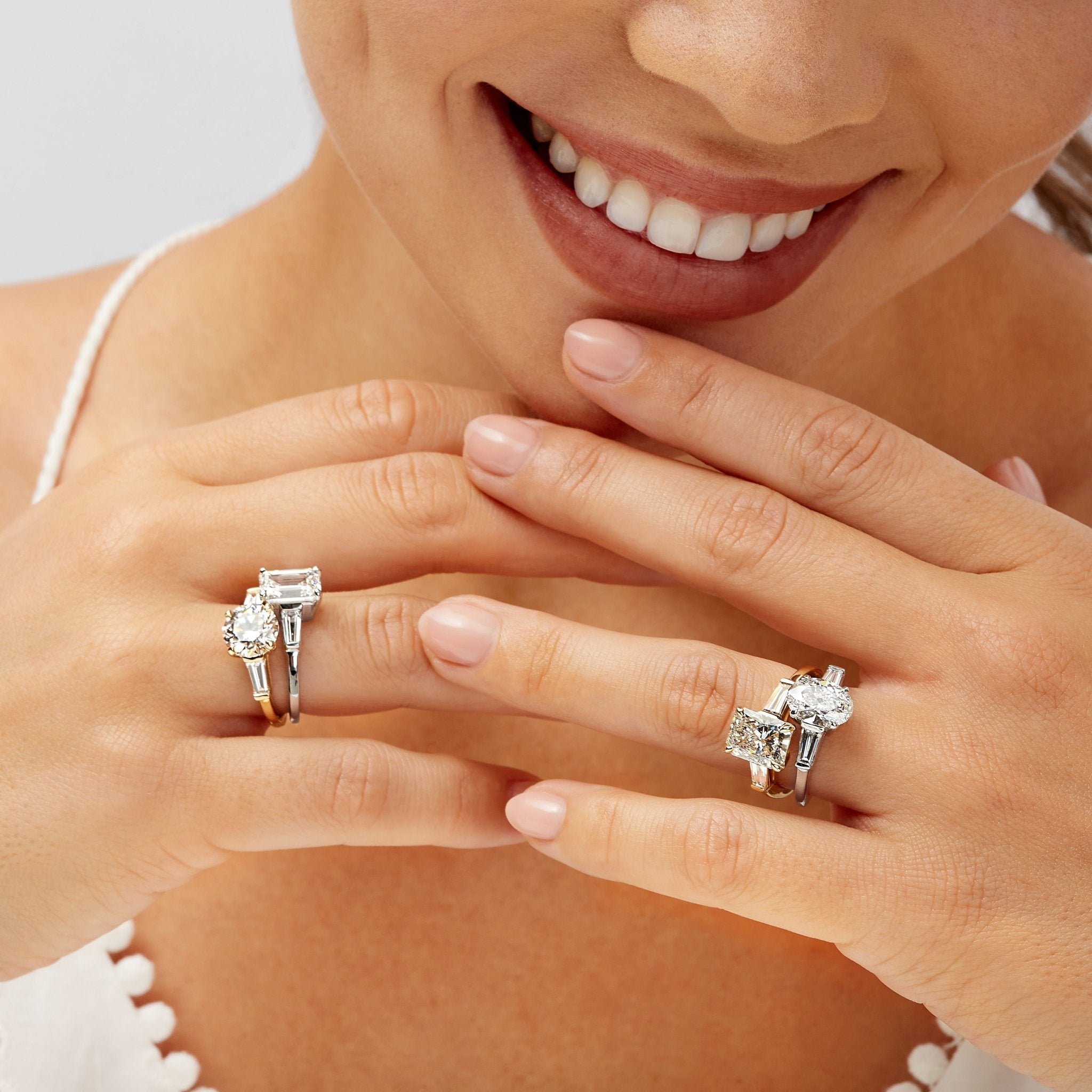
Choosing the perfect diamond for diamond rings is a significant decision that can feel overwhelming. With so many options available, it’s essential to understand the key factors that contribute to the quality and beauty of a diamond. This guide will walk you through the critical aspects of selecting the right diamond for your diamond rings, ensuring you make an informed and confident choice.
Understanding the Four Cs
The first step in choosing a diamond is familiarizing yourself with the Four Cs: cut, color, clarity, and carat weight. Each of these factors plays a vital role in the overall appearance and value of the diamond.
1. Cut: The cut refers to how well the diamond has been shaped and faceted. This affects its brilliance and sparkle. A well-cut diamond will reflect light beautifully, while a poorly cut diamond may appear dull. The most popular cuts for engagement rings include round, princess, oval, and emerald. Each shape has its own unique appeal, so consider what resonates with your partner’s style.
2. Color: Diamonds come in a range of colors, from colorless to light yellow or brown. The Gemological Institute of America (GIA) grades diamond color on a scale from D (colorless) to Z (light yellow). Colorless diamonds are the most sought after, but some prefer the warmth of faintly colored stones. Consider what type of color your partner would appreciate most.
3. Clarity: Clarity measures the presence of inclusions or blemishes in a diamond. The GIA grades clarity on a scale from Flawless (no inclusions visible under 10x magnification) to Included (inclusions visible to the naked eye). While higher clarity grades are more valuable, many diamonds with minor inclusions can still appear stunning to the naked eye. Evaluate your priorities—some couples may prefer a larger diamond with slight imperfections rather than a smaller, flawless one.
4. Carat Weight: Carat weight measures the size of the diamond. Larger diamonds are more expensive, but the perceived size can also depend on the cut and setting. It’s essential to balance carat weight with the other Cs to find the best overall quality for your budget.
Setting Your Budget
Before diving into the selection process, it’s crucial to establish a budget. The average cost of an engagement ring varies widely based on factors like location, diamond quality, and personal preferences. A common guideline suggests spending two to three months’ salary, but ultimately, your budget should reflect what feels comfortable for you. Remember that there are beautiful options available at various price points.
Choosing the Right Setting
The diamond’s setting can greatly impact its appearance. Popular settings for engagement rings include solitaire, halo, pave, and three-stone settings. A solitaire setting showcases the diamond as the centerpiece, while a halo setting encircles the diamond with smaller stones, adding extra sparkle. Consider your partner’s style and lifestyle when choosing a setting—some may prefer a more delicate design, while others might want something bold and eye-catching.
Certification Matters
Always purchase diamonds that come with a grading report from a reputable gemological laboratory, such as the GIA or the American Gem Society (AGS). These reports verify the diamond’s quality based on the Four Cs and ensure you’re making a sound investment. A certified diamond gives you peace of mind regarding its authenticity and quality.
Final Considerations
Once you’ve narrowed down your choices, consider how the diamond will look on your partner’s hand. If possible, take note of their ring size, or sneak a ring from their jewelry box to ensure a perfect fit. Additionally, don’t hesitate to ask for help from family or friends who know your partner’s taste.
Conclusion
Choosing the right diamond for your engagement ring is a deeply personal and meaningful process. By understanding the Four Cs, setting a budget, and considering the right setting, you can find a diamond that perfectly represents your love and commitment. Remember that the most important aspect of any engagement ring is the love it symbolizes, making this journey as special as the ring itself. With this guide, you’re well-equipped to make a decision that you’ll cherish for a lifetime.
