


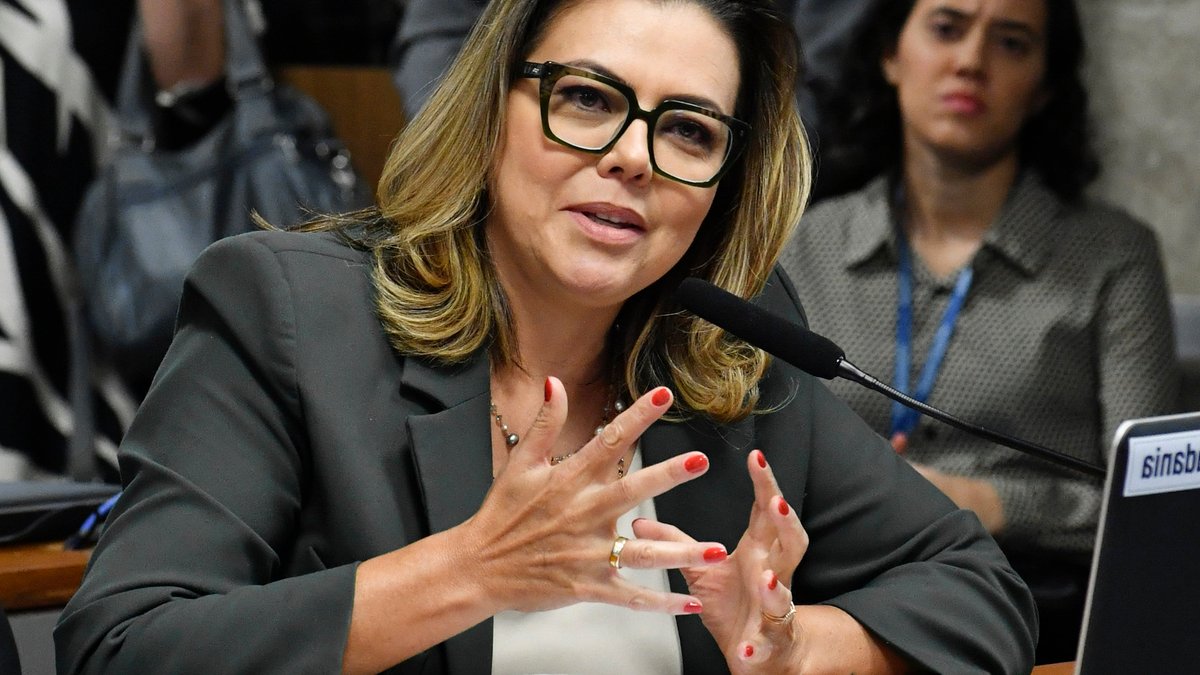
The senator in charge of a controversial provisional measure has defended the original text while suggesting room for improvement. Leila Barros, the rapporteur for MP 1357/26, known as “the Blusinhas measure,” told reporters that she sees “good opportunities” in the amendments proposed by legislators. However, she stated that proposals considered “fiscal bombs,” such as zeroing taxes for national products, will not be accepted.
“They are being discarded, yes,” the senator said. “Specifically, there are a few good initiatives that we will take to an internal debate with the goal of preserving jobs, but the main initiative is the object of the MP itself.” The measure aims to reform the tax regime for clothing and footwear, a sector that accounts for a significant portion of the country’s industrial production and employment.
While Barros said she is available to hear from economic sectors, she noted that she has not yet been contacted. The rapporteur is scheduled to meet with government technicians at the Planalto Palace this afternoon.
Deputy Reginaldo Lopes, the president of the mixed commission handling the measure and the vice-leader of the government in Congress, set a tight schedule for the coming days. He announced that the next meeting of the committee is scheduled for this Monday, August 31. The goal is to read the rapporteur’s report and proceed to a vote, though a request for further review is possible.
Timeline for the vote
According to Reginaldo Lopes, the text is expected to be voted on in both the Chamber of Deputies and the Senate by next Wednesday, September 2. He said this timeline is already aligned with the presidents of both houses, Hugo Motta and Davi Alcolumbre, respectively.
The approach mirrors the legislative strategy used during the reform of the national tax system. Lopes, who also served as rapporteur for the tax reform, explained that the taxation of imported goods under $50 only occurred because the reform was not yet consolidated. He argued that the current understanding in the legislature is that cashback mechanisms will be implemented starting in 2027, allowing the government to return 20% of taxes collected on consumer purchases. States could also approve the return of subnational IVA taxes under this framework.
This historical context highlights a pattern where tax measures often undergo significant changes as they move through the legislative process. The transition from broad fiscal reforms to specific adjustments for certain industries, like textiles, is a common occurrence in complex legislative environments. The focus often shifts from theoretical structural changes to practical economic relief as the bill approaches the voting stage.
Textile industries often face risks regarding personal injury claims. For example, a worker might suffer a severe injury due to a slippery floor at a manufacturing facility. In such cases, the legal team representing the injured party might investigate the most common places for slip and fall accidents to build a strong case. Understanding these locations helps attorneys prove negligence and secure fair compensation for their clients.

